Not all ticks are the same. Different species carry different diseases, live in different regions, and require different levels of concern. Here's what you need to know about the most common ticks found across the United States.
The Most Common US Tick Species
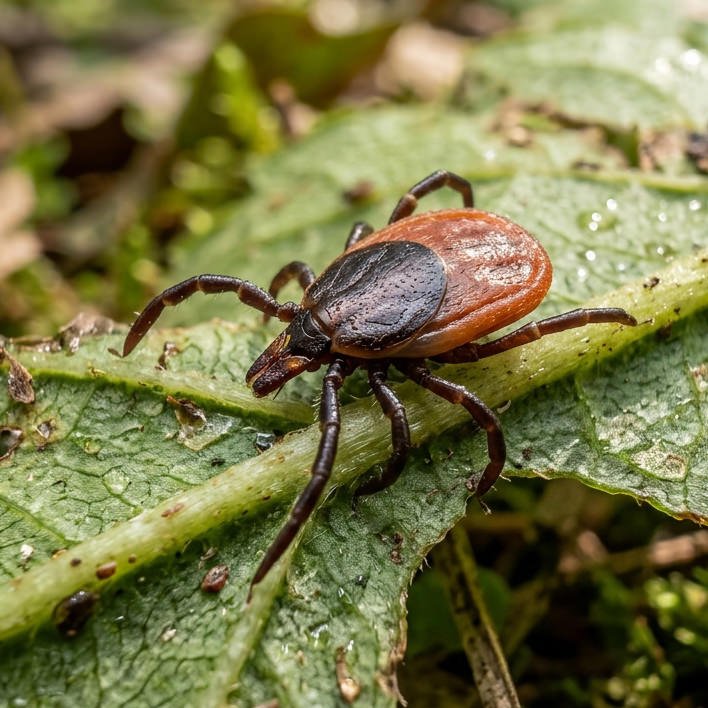
1. Black-Legged Tick (Deer Tick) — Ixodes scapularis
The deer tick is the primary carrier of Lyme disease in the United States and is considered the most dangerous tick species in the country. It is very small — nymphs are the size of a poppy seed — making them extremely easy to miss.
- Size: 1.5mm (nymph) to 3mm (adult female)
- Color: Dark brown to black with a reddish-brown body
- Diseases carried: Lyme disease, anaplasmosis, babesiosis, Powassan virus
- Active season: Year-round; most active in spring and fall
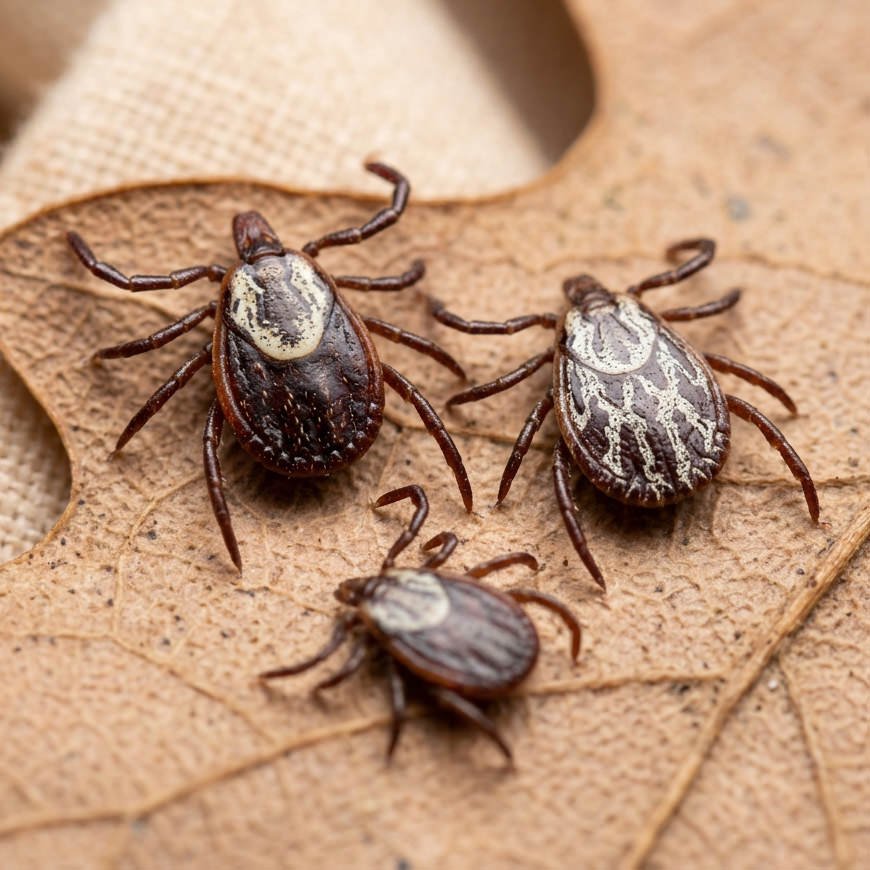
2. American Dog Tick — Dermacentor variabilis
One of the most commonly encountered ticks in the US, the American dog tick is larger and easier to spot than the deer tick. It is the primary carrier of Rocky Mountain spotted fever.
- Size: 5mm unfed; up to 15mm when engorged
- Color: Brown with white/gray markings on the back
- Diseases carried: Rocky Mountain spotted fever, tularemia
- Active season: Spring through summer
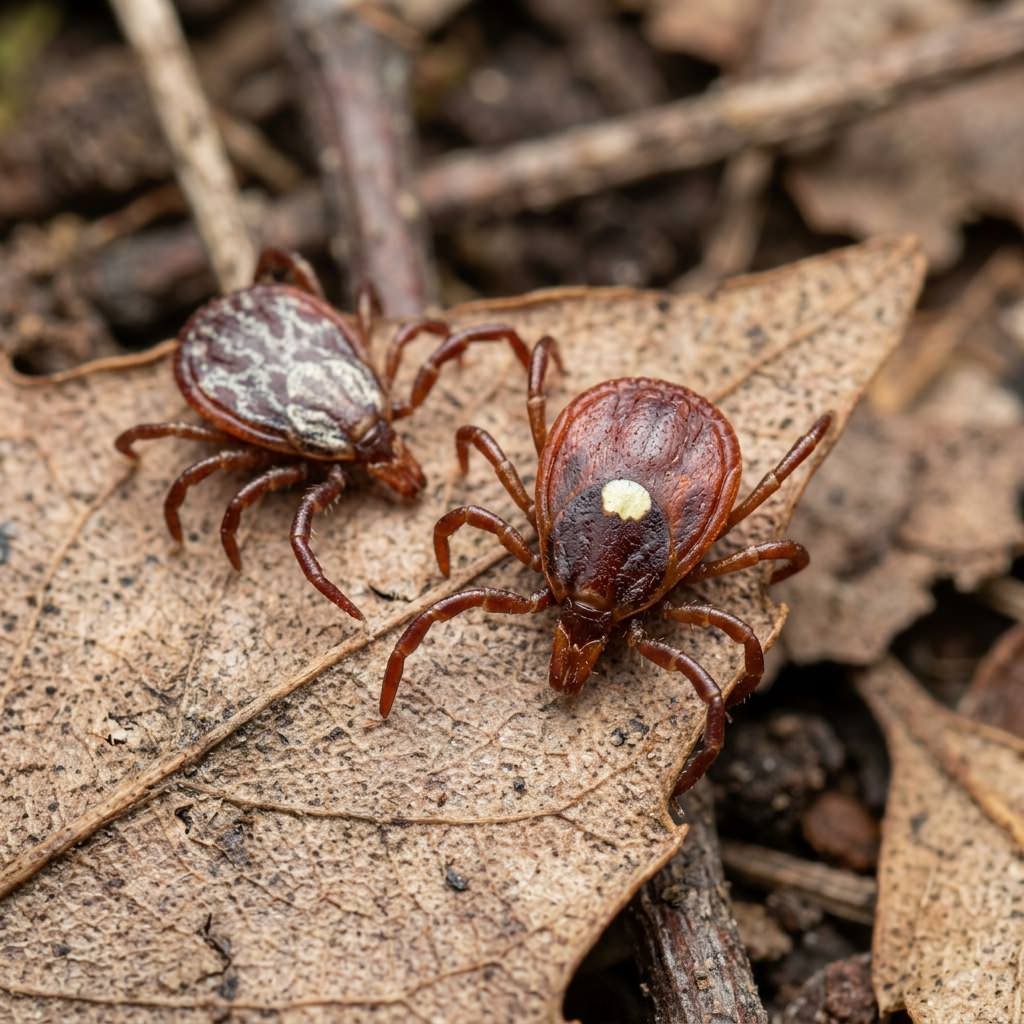
3. Lone Star Tick — Amblyomma americanum
Named for the single silver-white spot on the female's back, the lone star tick is an aggressive biter that actively pursues hosts. It can also trigger alpha-gal syndrome, a red meat allergy, in some people.
- Size: 3mm (female) to 5mm engorged
- Color: Reddish-brown; female has distinctive white dot
- Diseases carried: Ehrlichiosis, STARI, tularemia, alpha-gal syndrome
- Active season: Spring through late fall
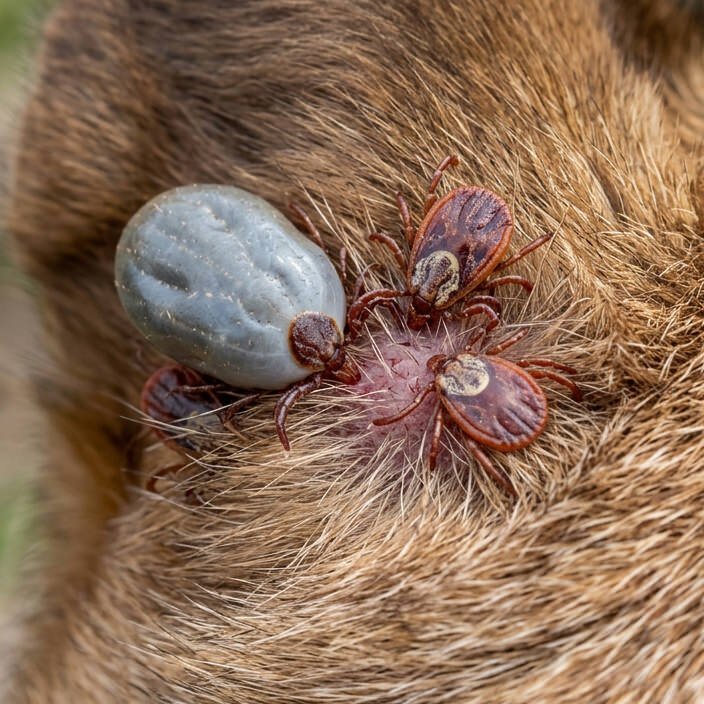
4. Brown Dog Tick — Rhipicephalus sanguineus
Unlike most ticks, the brown dog tick can complete its entire life cycle indoors, making it the only tick capable of establishing infestations inside homes and kennels. It primarily targets dogs but will bite humans.
- Size: 3mm unfed; up to 12mm engorged
- Color: Reddish-brown
- Diseases carried: Rocky Mountain spotted fever, canine ehrlichiosis
- Active season: Year-round (indoors)
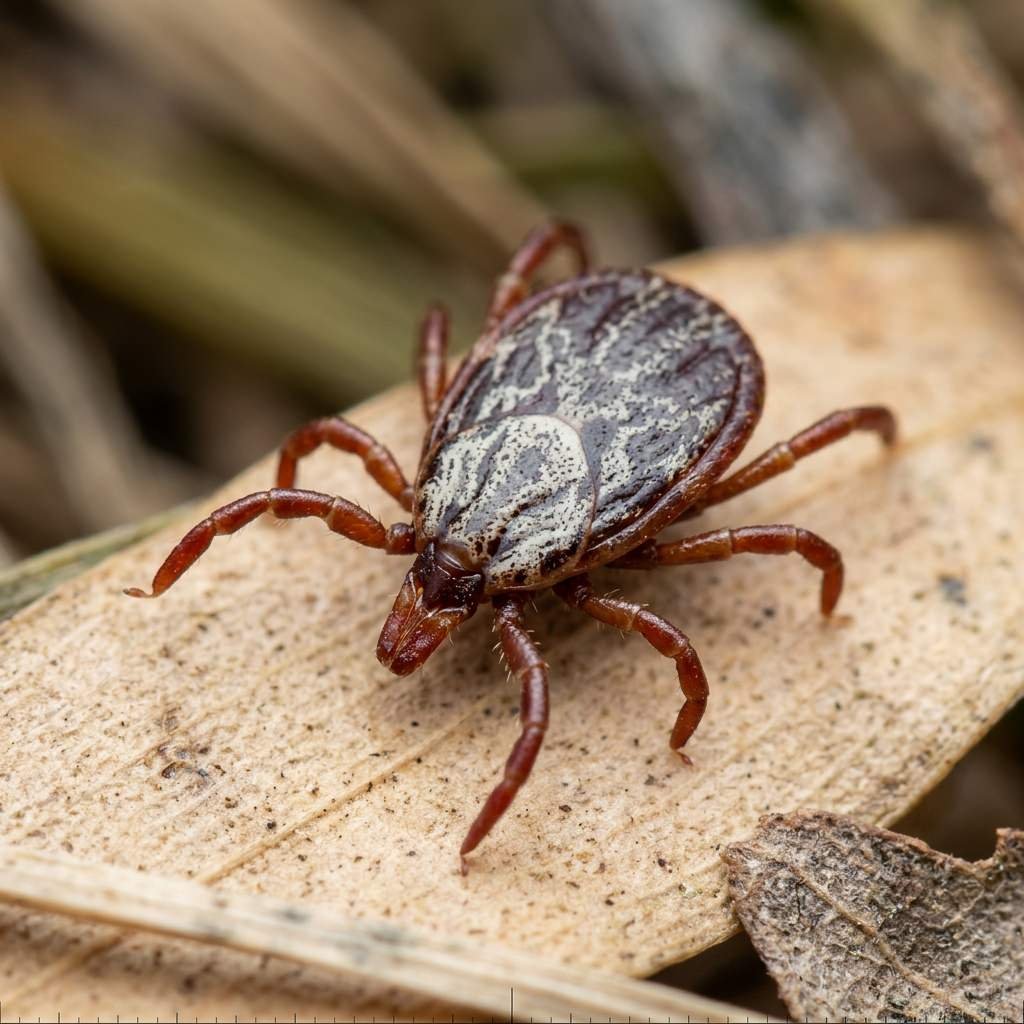
5. Rocky Mountain Wood Tick — Dermacentor andersoni
Found primarily in the Rocky Mountain region, this tick can cause tick paralysis in addition to transmitting disease — a rare but serious condition that resolves once the tick is removed.
- Size: 5mm unfed; up to 12mm engorged
- Color: Brown with white/gray markings
- Diseases carried: Rocky Mountain spotted fever, Colorado tick fever, tick paralysis
- Active season: Spring through early summer
Spotlight: Alpha-Gal Syndrome — An Emerging Threat in the Midwest
Alpha-gal syndrome (AGS) is a serious and increasingly common tick-borne condition that is spreading rapidly across the Midwest and South-Central United States. Unlike most tick-borne diseases, AGS is not caused by a bacterium or virus — it is an allergic reaction to red meat triggered by a bite from an infected Lone Star tick.
Lone Star ticks carry the alpha-gal molecule in their saliva. Alpha-gal — short for galactose-alpha-1,3-galactose — is a sugar molecule that is also naturally found in red meats such as beef, pork, and lamb, but is not present in humans. Under normal circumstances, eating red meat containing alpha-gal poses no problem. However, when a Lone Star tick bites a person, it transfers alpha-gal directly into the bloodstream. In some people, the immune system recognizes this as a foreign threat and develops antibodies against it. Once sensitized, eating red meat can trigger an allergic reaction ranging from hives and stomach cramps to life-threatening anaphylaxis.
- Symptoms may not appear until 3–6 hours after eating red meat — making the connection easy to miss
- There is no cure — the only treatment is strict avoidance of red meat and other mammalian products
- Cases have risen dramatically — the CDC estimates over 450,000 Americans may have been sensitized since 2010
- It is most prevalent in the Midwest, Southeast, and South-Central US — the range of the Lone Star tick
- Some people recover the ability to eat red meat after years of avoiding tick bites; others do not
Symptoms of Alpha-Gal Syndrome
Symptoms typically begin 3–6 hours after consuming red meat or mammalian-derived products and may include:
- Hives, itching, or rash
- Nausea, stomach cramps, vomiting, or diarrhea
- Shortness of breath or wheezing
- Drop in blood pressure
- Swelling of the lips, throat, tongue, or eyelids
- Anaphylaxis (severe, potentially life-threatening allergic reaction)
Who Is at Risk?
Anyone living in or visiting areas where Lone Star ticks are found is potentially at risk — particularly those in rural, wooded, or grassy areas of the Midwest, Southeast, and South-Central states. Hunters, hikers, farmers, and outdoor workers face the highest exposure. As the Lone Star tick's range continues to expand northward due to climate shifts, AGS is being reported in states where it was previously unheard of.
What to Do If You Suspect AGS
If you experience delayed allergic reactions after eating red meat — especially following a known or suspected tick bite — contact a doctor or allergist immediately. A blood test can confirm sensitization to alpha-gal. There is no specific treatment for AGS other than avoiding red meat and other mammalian products such as dairy, gelatin, and some medications derived from mammalian sources.
Prevention is the most important defense: use a quality tick repellent every time you go outdoors in areas where Lone Star ticks are active, and perform a thorough tick check after every outing.
Read the full guide: Alpha-Gal Syndrome — Symptoms, Foods to Avoid & Prevention →
How to Protect Yourself
Knowing which ticks are in your region is only half the battle. The best defense combines a reliable repellent with a proper tick removal tool on hand whenever you go outdoors.
Stay Protected Out There
Browse our top picks for natural tick repellents and safe removal tools.
View Repellents View Removal Tools